

HeadingNatural Anti-Aging Routine: The Complete Guide to Organic Facial Skincare for Radiant Skin
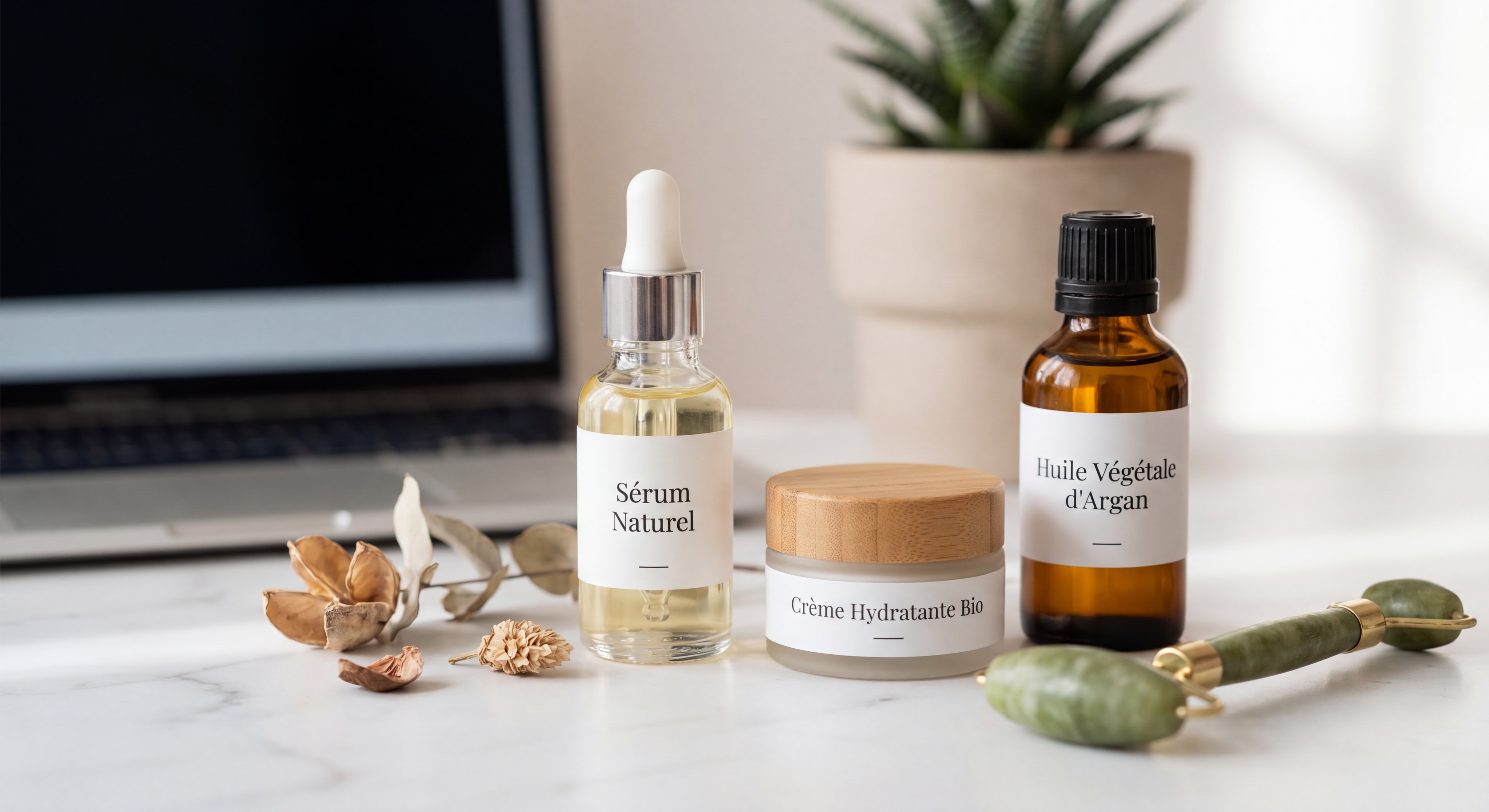
Adopting a natural anti-aging routine is no longer a luxury reserved for the initiated: today, it is an approach to health, consistency, and effectiveness. As the organic cosmetics market experiences unprecedented growth in 2026, more and more women—and men—are looking to care for their skin with natural facial care products whose composition is as transparent as their results are convincing. In this comprehensive guide, we explain how to structure an effective anti-aging routine, relying on the power of certified plant-based active ingredients.
Table of Contents
- Why Choose a Natural Anti-Aging Routine?
- Essential Active Ingredients in Organic Anti-Aging Cosmetics
- The Ideal Routine Step by Step
- Comparison: Conventional vs. Natural Skincare
- Key Figures
- Frequently Asked Questions (FAQ)
- Conclusion
Why Choose a Natural Anti-Aging Routine?
Skin aging is a complex process, influenced by both intrinsic (genetics, hormones) and extrinsic factors (pollution, UV, diet, stress). While conventional cosmetics have long relied on synthetic molecules with spectacular but sometimes controversial results, organic cosmetics offer a rigorous alternative, formulated from naturally derived ingredients, often more respectful of the skin barrier in the long term.
In April 2026, the buzz around the €49 anti-wrinkle treatment praised by Sophie Marceau—presented as a "natural botox"—perfectly illustrates this underlying trend: consumers demand natural formulas capable of competing with conventional treatments, without compromising on safety or ethics.
"Dermatologists now agree on the importance of a structured anti-aging routine, incorporating scientifically proven active ingredients—whether natural or not—and applied regularly."
"Dermatologists agree that this is the best anti-ageing skincare routine to follow" — The Independent
Certified organic natural facial care products (Cosmos Organic, Ecocert, Nature & Progrès labels) guarantee the absence of endocrine disruptors, parabens, occlusive silicones, and synthetic fragrances—substances whose accumulation can weaken the skin in the long term. In 2026, the update of the Cosmos standard further strengthens the requirements for ingredient traceability and the environmental impact of formulations.
Essential Active Ingredients in Organic Anti-Aging Cosmetics
An effective natural anti-aging routine relies on plant-based active ingredients whose action is supported by scientific research. Here are the most powerful ones to incorporate into your skincare:
Plant-Based Retinol (Bakuchiol)
Derived from the seeds of Psoralea corylifolia, bakuchiol is the natural alternative to synthetic retinol. It stimulates cell renewal, smooths fine lines, and improves skin firmness—without the irritating effects of classic retinol. Ideal for sensitive skin.
Naturally Derived Vitamin C
Present in acerola, rosehip, or camu-camu, natural vitamin C is a powerful antioxidant that neutralizes free radicals responsible for premature aging. It evens out skin tone, stimulates collagen synthesis, and protects the skin from external aggressions.
Precious Vegetable Oils
- Argan oil: rich in vitamin E and unsaturated fatty acids, it nourishes and protects the skin from aggressions.
- Rosehip oil: concentrated in natural retinoic acid, it regenerates tissues and reduces pigment spots.
- Marula oil: light and penetrating, it provides an immediate glow while strengthening the skin barrier.
Biotechnologically Derived Hyaluronic Acid
Produced by natural fermentation, organic hyaluronic acid is an unparalleled moisturizing agent. It fills surface wrinkles, plumps tissues, and improves skin elasticity from the first applications.
New Bio-Inspired Active Ingredients
In April 2026, Expanscience launched Osmolya, a bio-inspired active ingredient resulting from research into plant osmoregulation mechanisms. This innovative ingredient improves the skin's resistance to environmental stress and strengthens its deep hydration—a perfect illustration of the innovation dynamic currently driving the organic cosmetics sector.
📊 +12% annual growth in 2026 - Global natural and organic cosmetics market
The Ideal Routine Step by Step
An effective natural anti-aging routine is divided into two key moments: morning and evening. Regularity is the essential condition for visible results.
Morning: Protect and Brighten
Step 1 — Gentle Cleansing Start with an organic cleanser suited to your skin type: purifying gel with aloe vera for combination skin, cleansing oil with chamomile for dry or sensitive skin. The goal is to remove overnight impurities without altering the hydrolipidic film.
Step 2 — Toning Lotion or Floral Water A rose floral water (dry/mature skin) or witch hazel (combination skin) rebalances the skin's pH and prepares the skin to better absorb subsequent active ingredients.
Step 3 — Antioxidant Serum Apply a serum with natural vitamin C or bakuchiol. These active ingredients form the core of your morning anti-aging action: they neutralize free radicals and stimulate collagen production.
Step 4 — Organic Moisturizer Choose a light emulsion enriched with hyaluronic acid and vegetable oil. It locks in active ingredients and maintains hydration throughout the day.
Step 5 — Natural Sun Protection (essential) Mineral sunscreen (zinc oxide or titanium dioxide) is the most effective anti-aging measure. No cream, however sophisticated, can compensate for the lack of UV protection.
Evening: Repair and Regenerate
Step 1 — Double Cleansing Start with an organic cleansing oil to dissolve makeup and pollution residues, then follow with a gentle cleanser for deep purification.
Step 2 — Concentrated Regenerating Treatment Evening is the preferred time for regenerating active ingredients: bakuchiol, plant-based retinol, rosehip oil. The skin enters its nocturnal repair phase and assimilates active ingredients better.
Step 3 — Nourishing Cream or Balm Opt for a richer formula than during the day, based on organic shea butter, marula oil, or plant peptide extract. It supports cell regeneration and prevents insensible water loss.
Step 4 — Eye Contour Care (optional) The periorbital area, thinner and more fragile, benefits from specific care enriched with plant-based caffeine (for puffiness) and natural peptides (for wrinkles).
Comparison: Conventional vs. Natural Skincare
| Criterion | Conventional Skincare | Natural Organic Facial Skincare |
|---|---|---|
| Composition | Synthetic molecules, silicones, parabens | Plant-based active ingredients, organic oils, natural extracts |
| Skin tolerance | Varies depending on formulas | Generally better in the long term |
| Environmental impact | Often high | Reduced (biodegradable formulas) |
| Certification | Not mandatory | Cosmos, Ecocert, Nature & Progrès labels |
| Anti-aging results | Fast but sometimes irritating | Progressive and lasting |
| Transparency | Complex INCI lists | Legible and traceable ingredients |
| Average price | €15 – €300 | €20 – €150 |
| Suitable for sensitive skin | Not always | Yes, in most cases |
📊 64% - Share of French consumers prioritizing organic cosmetics in 2026
Mistakes to Avoid in a Natural Anti-Aging Routine
Even with the best natural facial care products, certain mistakes can compromise results:
- Multiplying active ingredients illogically: combining bakuchiol and vitamin C in the morning is relevant; layering five different serums is not. Skin needs time to assimilate each active ingredient.
- Neglecting sun protection: this is the most frequent and costly mistake. UV rays are responsible for 80% of visible skin aging.
- Changing routine too often: organic cosmetics generally require 4 to 6 weeks of regular use before showing significant results. Patience is an anti-aging virtue.
- Ignoring the eye and neck contour: these areas age faster and deserve specific attention from the age of thirty.
- Forgetting internal hydration: no external treatment can replace good hydration (1.5 to 2 liters of water per day) and a diet rich in antioxidants.
📊 80% - Percentage of skin aging attributable to UV
Key Figures
📊 +12%: annual growth rate of the global natural and organic cosmetics market in 2026 (Source: Grand View Research)
🌿 64% of French consumers state they prioritize organic cosmetics in their skincare routine in 2026 (Source: Observatoire des Cosmétiques)
☀️ 80% of visible skin aging is photo-induced—sun protection remains the #1 anti-aging action (Source: Journal of Investigative Dermatology)
💧 4 to 6 weeks: average time required to observe the first visible effects of a well-structured natural anti-aging routine (Source: clinical studies on bakuchiol)
Frequently Asked Questions (FAQ)
At what age should one start a natural anti-aging routine?
It's never too early to take care of your skin, but dermatologists generally recommend integrating the first anti-aging treatments from your thirties. At this age, collagen production naturally begins to decrease (about 1% per year from age 25). A preventive routine based on natural facial care products—including antioxidants, hydration, and sun protection—can significantly slow down the appearance of the first signs of aging.
Are organic cosmetics as effective as conventional skincare?
Yes, provided you choose formulas well concentrated in proven active ingredients. Bakuchiol (natural alternative to retinol), plant-derived vitamin C, and biotechnological hyaluronic acid have demonstrated their effectiveness in numerous clinical studies. The difference often lies in the speed of action: organic cosmetics act more gradually but produce lasting results, without rebound effect or irritation.
How to choose a reliable organic anti-aging cosmetic?
Check for a recognized label (Cosmos Organic, Ecocert, Nature & Progrès) which guarantees the composition and traceability of ingredients. Read the INCI list: key active ingredients (vegetable oil, plant extract) should appear in the first third of the list. Beware of products that rely solely on "natural" marketing without official certification—this is known as "greenwashing."
Can several vegetable oils be combined in an anti-aging routine?
Yes, but with discernment. It is advisable not to layer more than two vegetable oils in the same routine to avoid occluding pores. Prefer light-textured oils in the morning (argan, jojoba) and richer oils in the evening (rosehip, marula). You can also mix them with your moisturizer to adjust their texture.
Is a natural anti-aging routine suitable for sensitive skin?
Absolutely—it's often one of its main strengths. Certified organic natural facial care products avoid ingredients most frequently responsible for allergies or irritations (synthetic fragrances, chemical preservatives, artificial colorants). Active ingredients like bakuchiol, aloe vera, or floral waters are particularly well tolerated by reactive skin. However, it is recommended to perform a patch test on the inside of the wrist before the first application.
Conclusion
Building an effective natural anti-aging routine is primarily about making informed choices: selecting certified organic cosmetics, relying on plant-based active ingredients with proven properties, and maintaining the regularity that transforms good habits into real results. In 2026, innovation in the field of natural facial care products has never been so dynamic—from bio-inspired active ingredients like Expanscience's Osmolya to natural alternatives to botox making beauty headlines, green cosmetics prove every day that effectiveness and ethics can go hand in hand.
Your skin deserves care that meets your demands: natural, transparent, and high-performing. Explore our selection of natural organic facial care products and find the routine that suits your skin, your lifestyle, and your values.
