

HeadingNatural Anti-Aging Routine: The Complete Guide to Young and Radiant Skin with Organic Cosmetics
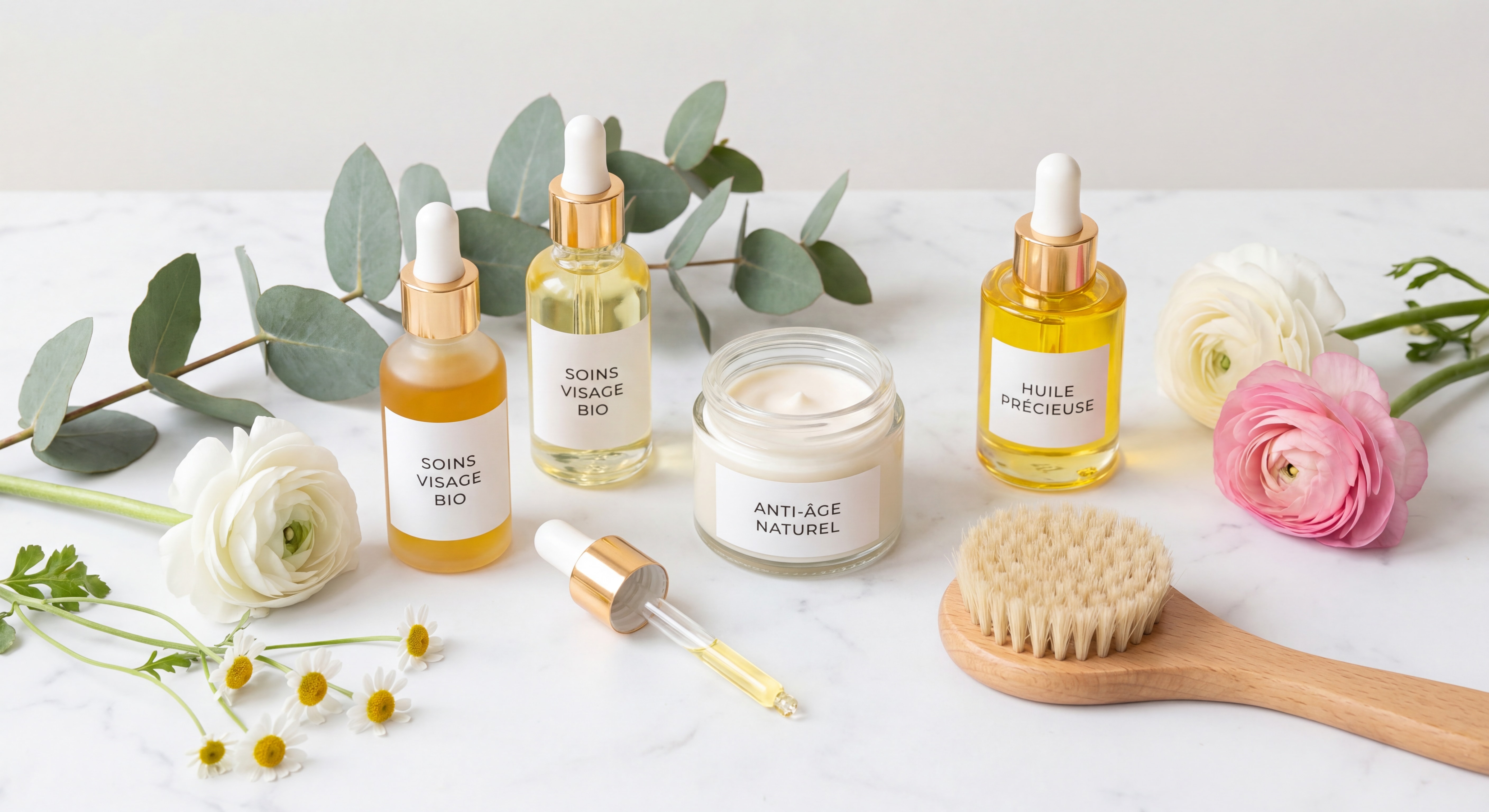
What if slowing down skin aging didn't require a cocktail of synthetic molecules or prohibitive prices? In 2026, the natural anti-aging routine emerges as the smartest, most effective—and most respectful—response you can offer your skin. Driven by increasingly advanced science and organic cosmetics with exceptional formulations, natural beauty is no longer a compromise: it's an obvious choice.
Dermatologists, beauty experts, and enlightened consumers now agree on one point: natural facial care rich in certified plant-based active ingredients can rival—or even surpass—conventional products loaded with endocrine disruptors and silicones. This guide walks you through building a complete, effective, and skin-adapted natural anti-aging routine.
Table of Contents
- Why Choose a Natural Anti-Aging Routine?
- Essential Natural Actives in 2026
- The Natural Anti-Aging Routine Step-by-Step
- How to Choose Your Organic Cosmetics?
- Comparison Table: Conventional vs. Organic Cosmetics
- Key Figures
- Frequently Asked Questions (FAQ)
- Conclusion
Why Choose a Natural Anti-Aging Routine?
Skin aging is inevitable, but its pace can be significantly influenced. Skin ages due to two types of factors: intrinsic (genetics, hormones, cellular metabolism) and extrinsic (UV exposure, pollution, oxidative stress, diet). It is precisely on these latter factors that natural facial care acts with remarkable effectiveness.
In contrast to conventional formulas that mask the signs of aging on the surface, organic cosmetics work deeply: they nourish, repair, and regenerate skin cells thanks to bioavailable plant actives, naturally recognized by the skin.
By 2026, this approach is scientifically validated. Clinical studies on actives such as bakuchiol, plant peptides, and natural vitamin C confirm results comparable—or even superior—to synthetic molecules, with significantly improved skin tolerance.
"In 2026, natural anti-aging cosmetics are no longer just a trend, but a scientifically validated approach that combines the effectiveness of certified organic active ingredients with respect for skin and the environment."
📊 $43.2 billion USD in 2026, with a CAGR of 5.6% until 2035 - Natural cosmetics market
Essential Natural Actives in 2026
Choosing an effective natural anti-aging routine starts with knowing the ingredients. Here are the star actives to look for in your organic cosmetics:
Bakuchiol — The Plant-Based Retinol Alternative
Extracted from the Psoralea corylifolia plant, bakuchiol is now recognized as the most promising natural anti-aging active. Clinical studies have shown that it offers effects comparable to retinol on cell renewal and collagen stimulation, with 4 times fewer irritations. It is suitable for all skin types, including the most sensitive, and can be used morning and evening.
Natural Vitamin C — Guaranteed Radiance
A powerful antioxidant, plant-derived vitamin C (acerola, camu-camu, rosehip) fights oxidative stress responsible for premature aging. It evens out skin tone, reduces pigment spots, boosts collagen production, and gives the skin an incomparable radiance. It is the number one active to integrate into your morning routine.
Hyaluronic Acid — Deep Hydration
Naturally present in our skin, hyaluronic acid is a true hydration reservoir. In natural facial care, it is now produced by plant fermentation, guaranteeing 100% eco-responsible origin. It plumps tissues, smooths dehydration lines, and strengthens the skin barrier.
Precious Oils — Cellular Nutrition
Quality vegetable oils—rosehip, argan, jojoba, marula—are treasures in organic cosmetics. Rich in essential omega-3, 6, and 9 fatty acids, fat-soluble vitamins, and antioxidants, they nourish the deep layers of the epidermis, restore elasticity, and protect against external aggressions.
Plant Peptides — Restored Firmness
Peptides are protein fragments that signal the skin to produce more collagen and elastin. In organic cosmetics, they are now synthesized from plant sources and constitute one of the most sophisticated anti-aging actives available in natural formulas.
📊 4x fewer irritations for comparable results on wrinkles and elasticity - Bakuchiol vs. retinol efficacy
The Natural Anti-Aging Routine Step-by-Step
An effective natural anti-aging routine relies on a precise sequence, respecting the skin's needs at each moment of the day. Here is the optimal protocol recommended by beauty experts in 2026.
☀️ Morning Routine — Protect and Brighten
Step 1 — Gentle cleansing Start with a delicate cleanser based on botanical extracts (cleansing milk, natural micellar water) to remove overnight impurities without aggressing the hydrolipidic film. Avoid alkaline soaps that unbalance skin pH.
Step 2 — Floral toner A toner based on floral water (Damask rose, neroli, witch hazel) prepares the skin to absorb subsequent treatments, tightens pores, and provides a first dose of hydration and soothing.
Step 3 — Vitamin C Serum Apply a concentrated natural vitamin C serum to activate the skin's antioxidant defenses, even out skin tone, and prevent damage related to pollution and UV rays.
Step 4 — Organic day cream Finish with a nourishing day cream enriched with anti-aging actives (hyaluronic acid, peptides, botanical extracts). In 2026, dermatologists consistently recommend mineral SPF protection to complete this step.
🌙 Evening Routine — Regenerate and Repair
Step 1 — Double cleansing In the evening, start with a vegetable oil cleanser to dissolve makeup and oily impurities, followed by a water-based cleanser for perfect purity.
Step 2 — Regenerating serum (Bakuchiol or Vegetable Retinol) Night is the ideal time for regenerating actives. Bakuchiol, or a serum based on plant retinol (bidens pilosa, rosehip), stimulates cell renewal while the skin naturally repairs itself.
Step 3 — Precious oil or hyaluronic acid serum Apply a few drops of a precious oil or plumping serum to deeply nourish and strengthen the skin barrier overnight.
Step 4 — Rich night cream Seal your routine with a night cream concentrated in nourishing and regenerating actives (plant ceramides, shea butter, adaptogenic plant extracts).
Expert bonus: Dedicate 3 minutes each evening to a facial massage with your fingers or a gua sha. This gesture stimulates microcirculation, promotes lymphatic drainage, and dramatically enhances the effectiveness of your treatments.
How to Choose Your Organic Cosmetics?
Faced with the proliferation of labels and marketing claims, choosing genuine organic cosmetics can be complex. Here are the essential criteria to master.
Certifications to Prioritize
| Certification | Origin | Guarantees |
|---|---|---|
| COSMOS Organic | International | Min. 95% natural ingredients, min. 20% organic of total |
| Ecocert | France | Ingredients of natural origin, respectful processes |
| Nature & Progrès | France | Most demanding label, biodynamic agriculture |
| BDIH | Germany | Prohibition of silicones, PEGs, synthetic fragrances |
| Soil Association | United Kingdom | Reference in organic agriculture |
Ingredients to Absolutely Avoid
Even in products claiming to be "natural," certain problematic components can slip into formulas:
- Silicones (Dimethicone, Cyclomethicone) — clog pores, disrupt the skin barrier
- PEGs and PPGs — potentially contaminated with carcinogenic substances
- Synthetic fragrances — common allergens, endocrine disruptors
- Parabens — controversial preservatives with hormonal action
- Mineral oil and paraffin — petrochemical derivatives, occlusive
Deciphering the INCI List
The ingredient list (INCI) is your best ally. Ingredients are listed in descending order of concentration. Prioritize formulas where the first 5 ingredients are of plant or aquatic origin. Key actives (bakuchiol, vitamin C, peptides) can be present in low concentrations while remaining effective.
📊 12% growth between 2020 and 2023 for organic care - Global natural anti-aging cosmetics market
Comparison Table: Conventional vs. Organic Cosmetics
| Criterion | Conventional Cosmetics | Organic Cosmetics |
|---|---|---|
| Ingredients | Synthetic, petrochemical | Plant-based, certified organic |
| Skin tolerance | Variable, risk of irritation | Generally excellent |
| Environmental impact | High (production, packaging) | Low (biodegradable, eco-designed) |
| Transparency | Often opaque | Ingredient traceability |
| Anti-aging efficacy | Quick but superficial results | Lasting deep results |
| Price | Variable | Accessible to premium |
| Certifications | Loosely regulated | Strict and verified labels |
| Endocrine disruptors | Present in some formulas | Prohibited by certifications |
Adapting Your Routine to Your Age
Skin needs evolve over the decades. An optimal natural anti-aging routine must take these physiological changes into account.
30-40 years — Active Prevention
At this age, the first signs of aging appear: expression lines, slight sagging, less uniform complexion. The goal is prevention: powerful antioxidants (vitamin C, resveratrol), intensive hydration, and daily sun protection. Hyaluronic acid serums and light peptide creams form the ideal base.
40-50 years — Targeted Regeneration
Collagen production decreases by about 1% per year after age 25, with a notable acceleration in the forties. It's time to integrate more powerful regenerating actives: bakuchiol, plant retinol, tightening peptides, rich precious oils. Eye contour care becomes essential.
50 years and older — Deep Nutrition
Skin loses density and elasticity. The most nourishing organic cosmetics become crucial: rich creams with plant ceramides, concentrated night oils, plumping serums with high and low molecular weight hyaluronic acid. Daily facial massage becomes an indispensable gesture to stimulate microcirculation.
"Dermatologists agree on the importance of a structured anti-aging routine, combining protection, hydration, and regenerating actives, regardless of age." — The Independent
Frequently Asked Questions (FAQ)
What is the difference between natural and organic care?
A "natural" product indicates that the ingredients are of natural origin, but this term is not regulated and can be used freely by brands. An "organic" product, on the other hand, is subject to strict certifications (COSMOS, Ecocert, etc.) that guarantee a minimum percentage of ingredients from organic farming, the absence of certain controversial components, and environmentally friendly manufacturing processes. For a truly effective and safe natural anti-aging routine, always prioritize certified products.
At what age should I start a natural anti-aging routine?
It's never too early to take care of your skin. Experts recommend incorporating the first preventive anti-aging steps from 25-30 years old: daily sun protection, antioxidants (vitamin C), intensive hydration. Between 35 and 40 years old, it is advisable to introduce more targeted regenerating actives like bakuchiol or peptides. The important thing is to adapt your routine to your skin's evolution rather than a fixed age.
Is bakuchiol really as effective as retinol?
Yes, according to several clinical studies. Bakuchiol acts on the same receptors as retinol and produces comparable effects on wrinkle reduction, improved firmness, and skin radiance—with significantly superior skin tolerance. It does not cause photosensitivity, can be used morning and evening, and is suitable for sensitive skin and pregnant women. It is the natural anti-aging active of choice in 2026.
How long does it take to see results from a natural anti-aging routine?
The first effects (radiance, hydration, texture) are visible within 2 to 4 weeks. Deeper results—wrinkle reduction, improved firmness, even skin tone—generally require 8 to 12 weeks of regular use. The key is consistency: a well-chosen and daily applied routine is always more effective than a miracle product used occasionally.
Are organic cosmetics suitable for sensitive skin?
Yes, and it's often their strong point. In the absence of synthetic fragrances, harsh preservatives, and silicones, certified organic cosmetics are generally better tolerated by reactive skin. However, certain natural ingredients (essential oils, botanical extracts) can be allergens. It is advisable to perform a patch test before any new introduction into your routine.
Key Figures
📊 $43.2 billion USD: global natural cosmetics market size in 2026, with projected growth to $70.8 billion by 2035 (Source: GM Insights 2026)
🌿 95%: minimum proportion of ingredients of natural origin required by COSMOS Organic certification to qualify a product as organic cosmetic
💡 4x fewer irritations than classic retinol for bakuchiol, with equivalent results on wrinkle reduction and improved skin elasticity (Source: comparative clinical studies 2026)
⏱️ 8 to 12 weeks: time needed to observe lasting and significant results with a well-structured natural anti-aging routine
Conclusion — Adopt a Natural Anti-Aging Routine Today
The natural anti-aging routine is not a passing trend: it is a profound revolution in our relationship with beauty and self-care. In 2026, choosing organic cosmetics with clean formulations and natural facial care rich in certified plant actives means choosing lasting efficacy, transparency, and respect—for your skin and for the planet.
Whether it's integrating a bakuchiol serum into your night routine, adopting a floral toner with Damask rose, or enriching your daily life with a day cream containing plant peptides, every gesture counts. Natural beauty is built step by step, with consistency and pleasure.
Ready to transform your beauty routine? Discover our range of natural and organic facial care products, designed to reveal your skin's authentic beauty — at every stage of your life.
