

HeadingNatural Anti-Aging Routine: The Scientific Guide to Radiant Skin in 2026
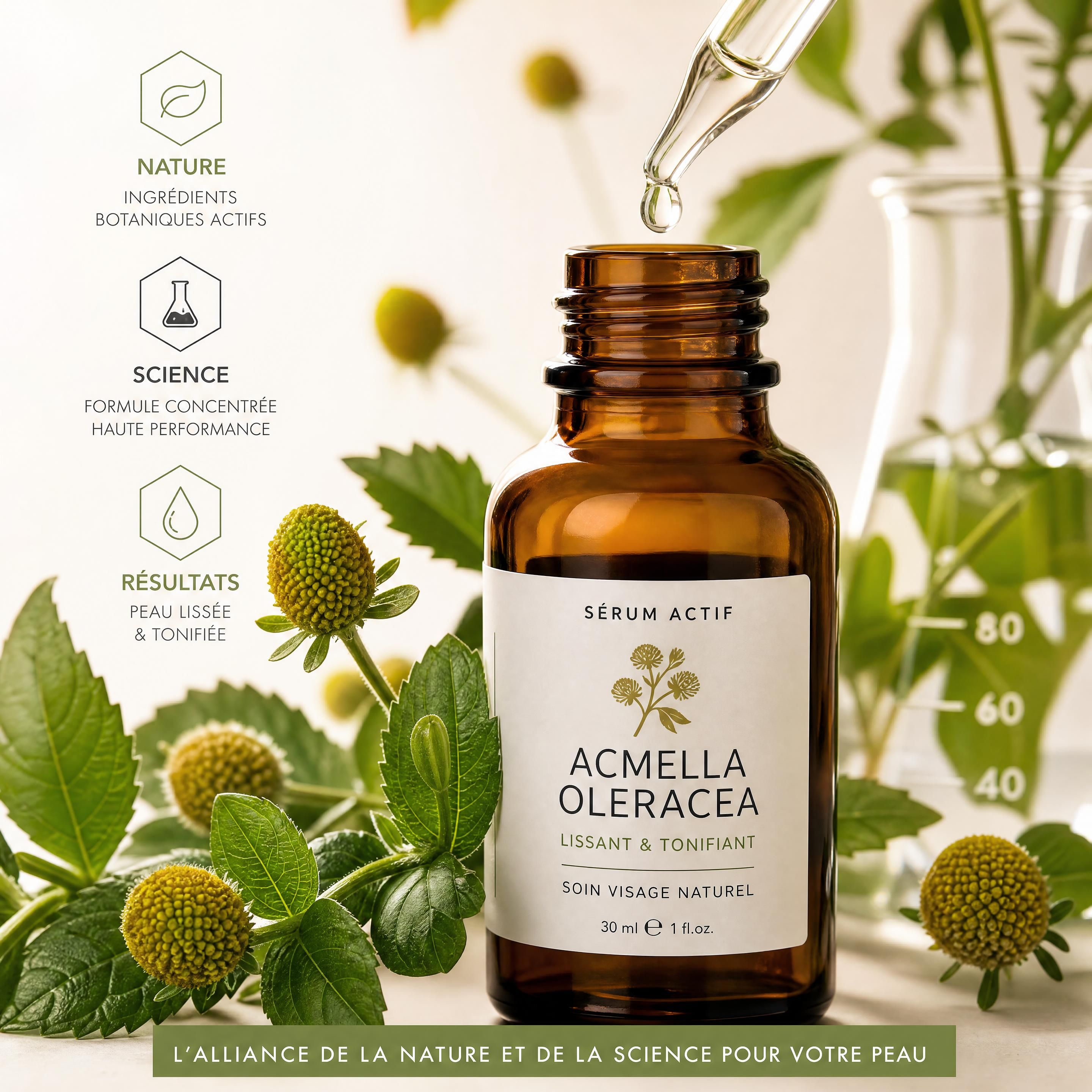
In 2026, the beauty industry is experiencing a major revolution. We are gradually moving away from promises of instant correction to embrace "skin longevity" and biological resilience. Adopting a natural anti-aging routine is no longer just about reducing wrinkles, but about optimizing skin cell health through green biotechnologies. Between the rise of certified organic cosmetics and the advent of cutting-edge botanical molecules, discover how to structure your natural facial care for scientifically proven results, without compromising the health of your microbiome.
Table of Contents
- 1. The Skin Longevity Revolution in 2026
- 2. Revolutionary Active Ingredients in Natural Facial Care
- 3. Structuring Your Natural Anti-Aging Routine Step-by-Step
- 4. Comparison: Natural Actives vs. Synthetic Alternatives
- Frequently Asked Questions (FAQ)
- Key Figures
1. The Skin Longevity Revolution in 2026
The paradigm of traditional anti-aging is over. In 2026, dermatological science focuses on Metabolic Beauty, a concept centered on the ability of cells to produce their own energy and regenerate against external aggressions. Rather than freezing features with invasive methods, consumers and professionals are turning to highly technical organic cosmetics that support the skin barrier and respect the microbiome.
"Anti-aging efficacy in 2026 is no longer measured by the number of products applied, but by biological understanding and respect for the skin microbiome." — Demain Beauty
Biotechnological innovation now allows the extraction of natural active ingredients of unparalleled purity and efficacy. For example, the recent introduction of plant-derived exosomes (such as Phytobolites® developed for Bio Logica's Cellogic range) demonstrates how plants can act as "intercellular messengers" to stimulate collagen and elastin synthesis without any heavy chemistry.
📊 Global Expansion Forecast by 2036 - Growth of the organic cosmetics market
2. Revolutionary Active Ingredients in Natural Facial Care
To achieve efficacy comparable to aesthetic medicine treatments, natural facial care now relies on clinically validated molecules. Two flagship active ingredients are redefining green efficacy in 2026:
Spilanthol: The Natural Alternative to Botox
Popularized by authentic beauty icons like Sophie Marceau, spilanthol is a mild local anesthetic extracted from the Acmella Oleracea flower (or Mafane Clove). By inhibiting micro-muscle contractions in the skin, it immediately smooths expression lines without freezing the face.
"I use an organic botox gel. It's nothing like traditional botox. It's a plant-based gel that acts directly against wrinkles, while preserving the natural mobility of my face." — Sophie Marceau
Bakuchiol and Phyto-Retinols
Synthetic retinol is known for its smoothing action, but it often causes irritation and sun sensitivity. Bakuchiol, derived from the Psoralea corylifolia plant, offers the same benefits of cell renewal and collagen synthesis without the side effects, making it ideal for sensitive skin in organic formulations.
3. Structuring Your Natural Anti-Aging Routine Step-by-Step
To maximize the bioavailability of active ingredients, your natural anti-aging routine must follow a rigorous layering logic, favoring certified formulas (COSMOS Organic standards).
Step 1: Physiological Double Cleansing
The foundation of any natural facial care routine begins with cleansing that respects the skin barrier. First, use an organic vegetable oil to dissolve sebum, sunscreens, and makeup, followed by a gentle sulfate-free cleanser to purify the skin without altering its pH and preserving its microbiome.
Step 2: Cell Activation (Serum)
Apply a serum concentrated in antioxidants (such as stabilized natural vitamin C) or hyaluronic acid of different molecular weights derived from wheat fermentation. It is at this stage that plant exosome complexes or spilanthol penetrate most deeply to stimulate cell regeneration.
Step 3: Hydration and Nutrition (Cream or Oil)
Seal in hydration with a cream rich in plant ceramides or a precious treatment oil. Cold-pressed botanical oils (jojoba, rosehip, argan) provide essential fatty acids needed for skin elasticity and strengthen the intercellular cement.
Step 4: Daily Sun Protection
In 2026, sun protection has become the non-negotiable preventive anti-aging gesture par excellence. Use an SPF 30 or 50 mineral screen based on non-nano zinc oxide, respectful of the skin and marine ecosystems.
📊 43% of conventional anti-aging creams contain suspicious substances - Impact of endocrine disruptors
4. Comparison: Natural Actives vs. Synthetic Alternatives
| Skin Goal | Conventional Active | Natural Organic Alternative | Green Mechanism of Action |
|---|---|---|---|
| Muscle Relaxation | Botulinum Toxin (Injections) | Spilanthol (Acmella Oleracea) | Gentle reduction of muscle micro-contractions |
| Cell Renewal | Synthetic Retinol | Bakuchiol / Phyto-Retinol | Collagen stimulation without skin irritation |
| Deep Hydration | Petrochemical Hyaluronic Acid | Fermentation Hyaluronic Acid | Optimal water retention of plant origin |
| Cell Regeneration | Animal PDRN (salmon sperm) | Plant Exosomes (Phytobolites®) | Biological messengers stimulating aged cells |
Frequently Asked Questions (FAQ)
What is the best natural equivalent to Botox?
The best natural active ingredient mimicking botox is spilanthol, a compound extracted from the Acmella Oleracea plant. It works by relaxing skin muscle micro-tensions to immediately smooth expression lines while preserving the natural mobility of the face. Celebrities like Sophie Marceau have integrated this active ingredient into their daily routine in the form of organic botanical gels.
Are organic cosmetics as effective as conventional cosmetics?
Yes, and sometimes more effective in the long term. Thanks to advances in green biotechnologies in 2026, organic cosmetics use highly concentrated and biologically supported active ingredients (such as fermentation hyaluronic acids or plant exosomes). Moreover, they avoid inert mineral oils derived from petrochemicals and silicones to favor active ingredients that truly nourish the skin barrier.
At what age should one start a natural anti-aging routine?
It is recommended to start a preventive routine from the age of 25. At this age, natural collagen production begins to slow down. A simple routine combining good hydration, antioxidants (like vitamin C), and daily mineral sun protection is sufficient to preserve youth capital and skin longevity.
Key Figures
📊 95%: This is the minimum percentage of ingredients of natural origin required by organic certification labels to guarantee the absence of undesirable petrochemical substances.
💡 43%: Proportion of conventional mass-market anti-aging creams containing at least one ingredient considered a potential endocrine disruptor, pushing consumers towards organic alternatives.
🌱 100% Vegan: New plant exosome technologies (Phytobolites®) now replace animal-derived active ingredients for eco-responsible cell regeneration.
Conclusion
Caring for your skin in 2026 means choosing cellular health and transparency. By integrating highly technological organic cosmetics and targeted natural facial care, you provide your epidermis with the necessary tools to regenerate from within. Whether it's the immediate smoothing effect of spilanthol or the regenerative power of plant exosomes, the modern natural anti-aging routine proves that nature, combined with science, is the key to lasting and radiant youth.
Ready to revolutionize your beauty ritual? Explore our range of certified botanical skincare and offer your skin the excellence of green tech.
